




Women in Malabar’s Public Sphere
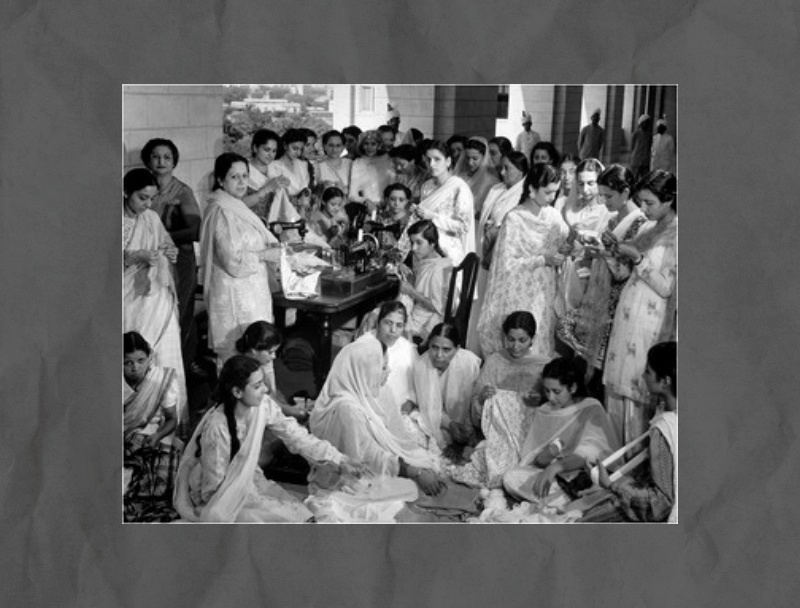
The entry of women into public life in Malabar is a complex phenomenon deeply embedded in the wider colonial and national context, marked by persistent efforts and struggles from both men and women (Aleyamma George, 1978). Globally, women, constituting half of the world’s population, have been advocating for equal wages, opportunities, and status, echoing a broader movement for gender equality. Traditional societies, including those in Malabar, perpetuated an ideology that deliberately excluded women from power systems by constructing separate ‘private’ and ‘public’ realms for men and women, a notion reinforced by thinkers such as Rousseau in eighteenth-century France and Vivekananda in nineteenth-century India (Bharati Ray et al., 2002). Even influential figures like Gandhi, despite his role in bringing women into the nationalist movement, exhibited traces of the established belief in stereotyping women as passive and dependent (Geraldine Forbes, 1998).