


"Explore the rich tapestry of the Malabar region, where centuries of history, culture, and tradition come together.

Get In Touch

img

University of Calicut,
Edapally - Panvel Hwy, Thenhipalam,
Kerala 673635, India

Malabar History journal

  • Home
  • Malabar History journal
Blog Image

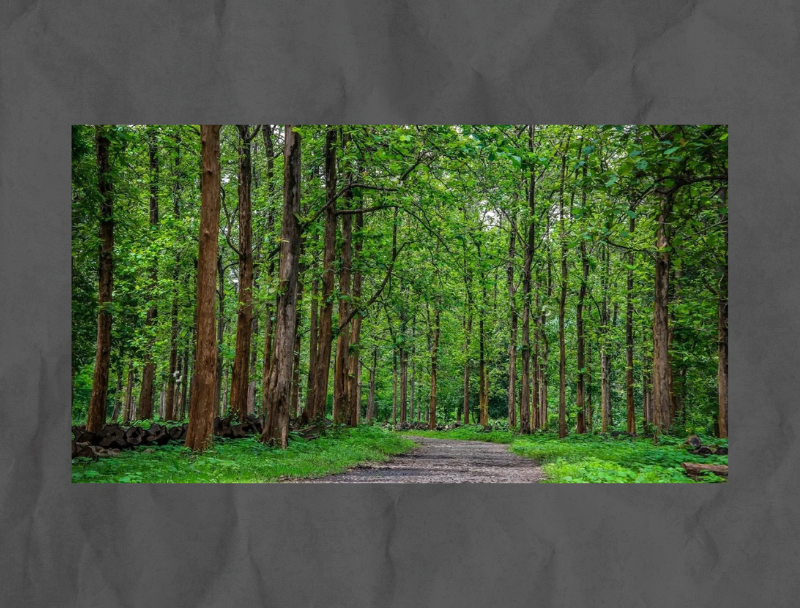
Nilambur Teak Plantation

Nilambur was a town in the Ernad Taluk of the Malabar district, situated close to the Nilgiri range of Western Ghats and the Chaliyar River. An early centre of the Nilambur Kovilakam, an ancient feudal city-state ruled by the Samantha Kshatriyas who were vassals of the Zamorins of Calicut, the place was also a centre of the British timber trade in the 19th century. It is well-known for its oldest teak plantations. At present, Nilambur is a municipality and a taluk under the Malappuram district of Kerala.

Teak plantations in Nilambur

Nilambur, also known as the Nilambur valley in the British records, was a fertile area in the shape of a horseshoe elevated 400 feet above sea level. It was one among the three ranges of forests namely Palakkad, Wayanad and Nilambur with vast scattered forest lands. The teak in Nilambur was unique in quality on the account that it withstood varying temperatures and humidity.

Britishers during their reign, upon recognizing the suitability of the high-quality teaks of the Malabar forest took control over the teak forests of Nilambur. It was used for the construction of small ships (Uru) for maritime trade conducted through Beypore port.

Henry Valentine Conolly, an official of the East India Company in the Madras Presidency who served as the magistrate and collector of Malabar established the Conolly Plantation scheme. The scheme is regarded as the first step in building teak plantations and the exploitation of forests in Nilambur. He established teak plantation in Nilambur, to meet the East India Company’s growing commercial and naval needs for teak for shipbuilding in Bombay. To achieve this in 1840, Conolly requested the Thrikkalayur Devaswam and obtained land from landlord Moorthy Sankaran Namboodiripad on mortgage by conveying his objective was to replace the forests which had vanished from private carelessness and greed. The landlord, unaware of the long-term plans of the British regarding the land he was giving, and joined hands for an agreement with Conolly. An amount of Rs 8000 was paid by Conolly in advance and an agreement giving permission to cut forest trees including teak and to plant teak on a large scale in the mortgaged area was formed.

On 10th November 1842, an additional area of land was obtained on lease with permission from the Zamorin of Calicut. In 1871, a land agreement was signed with Wandur Nambudiripad as well. In 1878, Amarambalam and Karimpuzha blocks were leased by the company and purchased at a court sale in 1892. The Company also purchased land from Edavanna Kovilakom. Further 3000 seeds and 10,000 seedlings collected from the forest were planted. Officials including a native named Chathu Menon were appointed by the British to look after the plantation.

Timber Markets

Kozhikode was one of the major timber markets in the world at the time. Beypore, situated near Kozhikode city was the centre of the Kozhikode timber market. Timber from Nilambur was transported through the Chaliyar River to the government depot at Beypore. From there, through the Conolly canal, it was taken for supply to the big timber industries of Kallayi. From Kallayi and Beypore all the timber, especially the teak was exported to different parts of India and abroad such as London, for sale at high prices.

References

  • P. Mohandas. (2005). A Historical Study of the Colonial Investments in the Malabar and the Nilgiris in the Nineteenth Century [Doctoral Thesis, Department of History, University of Calicut].
  • Louiza Rodriguez. Commercialisation of Forests, Timber Extraction and Deforestation of Malabar: Early Nineteenth Century. Accessed on 02.02.2023 from
    https://www.jstor.org/stable/44156277
  • Michael Mann. Timber Trade on the Malabar Coast. Accessed on 02.02.2023 from
    https://www.jstor.org/stable/20723198
  • Nilambur Kingdom. (2022, June 24). In Wikipedia.
    https://en.wikipedia.org/wiki/Nilambur_Kingdom