


"Explore the rich tapestry of the Malabar region, where centuries of history, culture, and tradition come together.

Get In Touch

img

University of Calicut,
Edapally - Panvel Hwy, Thenhipalam,
Kerala 673635, India

Malabar History journal

  • Home
  • Malabar History journal
Blog Image

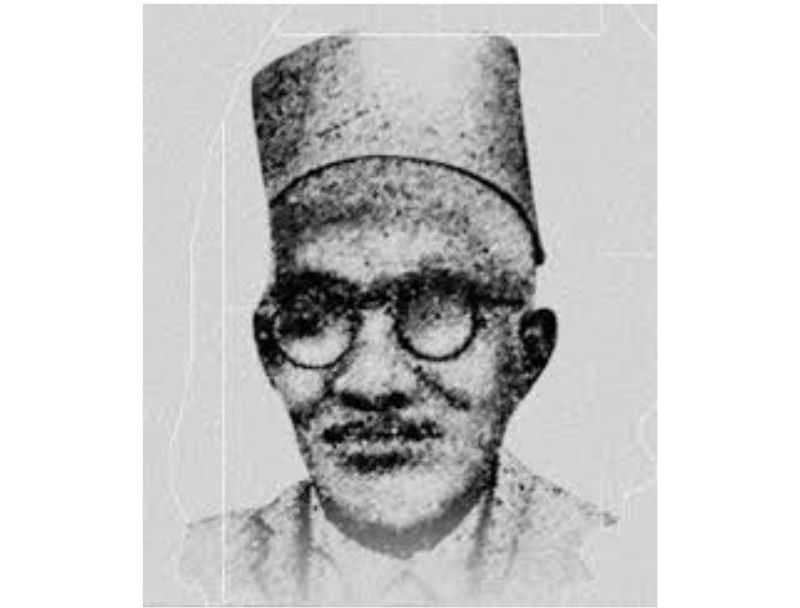
Kottal Uppi Sahib

Kottal Uppi Saheb Bahadur (1891–1972) was an influential political leader and social worker from Kannur, north Kerala.

Biography

Uppi Saheb was born to a wealthy land-owning family named Kottaal in Kottayam Taluk of Kannur district in 1891. His family owned acres of land in the Aralam farm and Palaparambu of Koothuparambu. He was the only son of Mayan Adhikari and Kottal Kunjamina umma. He received basic education from the Mappila L.P. school of Thalassery and further joined Brennen High school, Brennen college and Mohammaden’s college of Madras. However, he discontinued his education at Mohammaden’s college in response to the non-cooperation movement, which demanded a non-cooperation against everything including the educational institutions run by the government.

A great reader, he became the founding chairman of the Literature society of Thalassery. He was married to Kayyumma and had five children namely Mayan, Muhmmad Ali, Ibrahim kutty, Kunji Pathumma and Kunjami.

In the later part of life, Uppi Sahib refrained from active politics, stayed away from competing to the M.L.A position and involved himself in agriculture. He died on 11 May 1972.

Anti-British struggle

He was introduced to the Khilafat-noncooperation movements against the British while he was studying at Madras. He discontinued his education to become active in the movement. In 1920 and 1926, he was elected to the Madras legislative assembly as a candidate of the Swaraj party. In 1929, he insisted to allot land for the economically poor tenants of Malabar. In 1930, he was elected to Central legislative assembly. During his tenure, he presented a resolution to start Arabic colleges all over the state as a part of creating opportunities for modern education among Muslims. He also demanded release of the Mappilas unjustly imprisoned in situations of lack of law and order. In 1946 and 1952, he again became a member of the Madras legislative council. He criticized the acts of the British government for banishing Mappilas to Andaman. He supported ‘the Nishpaksha sanghom’ formed by Kerala Muslims at the time. Later, when the organization merged into Muslim Majlis, he became a part of it as well. In 1930, he was elected as the general secretary of Kerala Muslim Majlis. He was also the vice president of the Kerala State Muslim league committee and was in the leadership position of the Muslim League in places such as Thalassery, Koothuparambu and Kannur.

References

  • Harun Kakkad. കുടിയൻമാർക്ക് വേണ്ടി നിലകൊണ്ട ഉപ്പി സാഹിബ്. Shabab Weekly. Retrieved on 16 December 2022 from

    https://shababweekly.in/uppi-sahib/
  • Mohammad, T. C. Kottal Uppi Sahib: Kottayam Malabrinte Prasastha Puthran. Grace Books.
  • Razak Padiyur. Kottal Uppi Sahib. Ente Kazchappadukal. Retrieved on 16 December 2022 from

    http://razackpadiyoor.blogspot.com/2013/10/blog-post_6596.html