


"Explore the rich tapestry of the Malabar region, where centuries of history, culture, and tradition come together.

Get In Touch

img

University of Calicut,
Edapally - Panvel Hwy, Thenhipalam,
Kerala 673635, India

Malabar History journal

  • Home
  • Malabar History journal
Blog Image

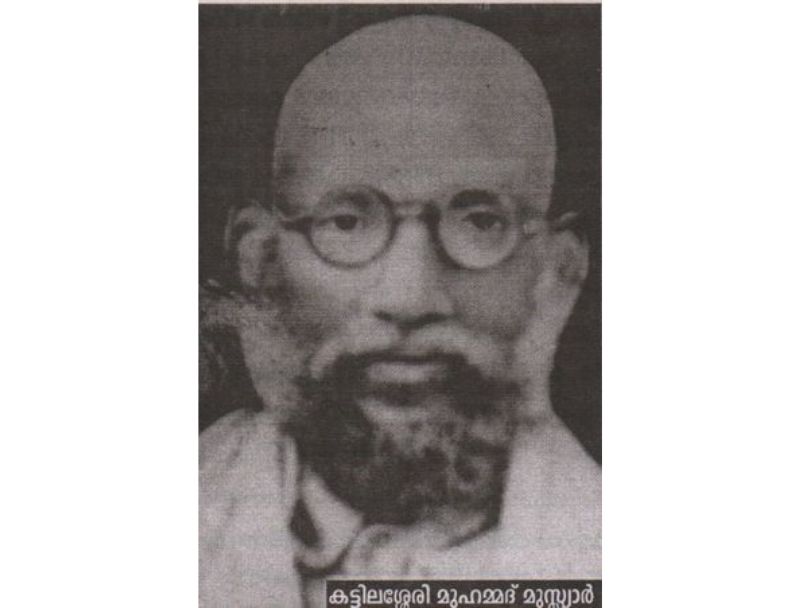
Kattilassery Muhammad Musliyar

Kattilasseri Muhammad Musliar (1879-1943) was a poet, social reformer and freedom fighter from Kerala.

Biography

Kattilasseri Muhammad Musliyar was born in 1879 in Kattilasseri of Malabar. He was born to prominent Sufi scholar Ali Musliyar and Ayishumma beevi. He is known in the historical records by the name M.V. Muhammad moulavi. Initially, he studied various Arabic texts under the guidance of his father. Later, he studied in the Dars of Tirurangadi and Ponnani and at Baqiyathu Swalihath of Vellore. After his studies at Baqiyath, he returned to his home and taught religious texts at his home. He also established a madrasa in ‘Maktabatullu Suriya’. He gave fatwas under the pen name ‘Ali ulleri’. He had 10 children, four of whom died at a very young age.

He was a multi-lingual scholar with proficiencies in Arabic, Malayalam, Urdu, French and Tamil. From 1916, he worked as a part of the ‘Home Rule League’ established by Annie Besant. He was also an orator, poet and songwriter of Mappila songs and an active participant in all regional conferences from the time of the Malabar conference, held in 1916.

Anti-British struggle

He studied at Baqiyathu Swalihath of Vellore, Tamilnadu which was frequently visited by Maulana Abdul Kalam Azad. Azad kindled in him the initial spirit for freedom from the British. He became a close associate of M.P. Narayana Menon. Initially, he began his active involvement in the anti-British struggle as one of the proponents of the Home rule movement started by Annie Besant. In April 1916, he participated in the first Political conference of Malabar held at Palakkad. In 1917, along with M.P. Narayana Menon, he organized peasants against exploitation from the landlords. He also revolted against the British landlords under the flagship of Malabar Tenants’ Association. From 1920, he was actively involved in the Khilafat-Congress movements. He also organized the political conference held at Manjeri on 28 and 29 April 1920. On 5 February 1921, a curfew was imposed by the district collector E.F. Thomas against organizing meetings in Eranad and Valluvanad Taluks of Malabar. An arrest warrant was also issued against M.P. Narayana Menon, Kattilasseri Muhammad Moulavi, E. Moidu Moulavi, Ali Musliyar, Variyam Kunnathu Kunjahmed Haji and K. Madhavan Nair.

On April 1921, Kattilassery Muhammad Moulavi participated in a conference of the delegates of ‘Indian Majlis ul Ulema’. After the conference, the organization ‘Kerala Majlis ul Ulema’ was formed. Moulavi served as an action committee member of the organization. During the mutiny at Tirurangadi in 1921, he was in Ottapalam. From there, he issued statements criticising Ali musliyar’s move to go to the collector for the release of his associates which resulted in British firing and ended up as a mutiny in Tirurangadi. He also issued a statement on behalf of the incident in Tirurangadi which talked about tolerance to the authorities even in times of an assault from them. This statement is known as ‘the statement from Ottappalam’ in history

Moulavi evaded many attempts by the authorities to arrest him. He moved to Madras escaping from the enquiry. He lived in Jamaliya college there. However, the Deputy Superintendent of the Police Amu Sahib kept searc,hing for him. Amu sahib came to Jamaliyya college as well, but couldn’t arrest Kattilassery. Kattilassery fled to Pondicherry and lived there for some time. In 1933, he returned to his hometown after all the cases filed against him were removed. Upon returning to his homeland, Kattilasseri was moved by the lack of education among people there. In order to address this, he started a madrasa named ‘Maktabatul Sumiyya’. In 1937, he was elected to the district board of the Congress committee and served the following years as its vice president. His health was deteriorating at the time of the Quit India movement. Due to illness, he couldn’t participate in the movement. He died on 22 August 1943.

References

  • Anil Kumar, K. (Ed.). (2003). കട്ടിലശ്ശേരി മുഹമ്മദ് മൗലവിയും ദേശീയ പ്രസ്ഥാനവും. Thiruvananthapuram, Kerala: Department of Information and Public Relations, Government of Kerala.
  • മലബാർ കലാപം 1921. (n.d.). Kottakkal: 90ആം വാർഷികാഘോഷ കമ്മിറ്റി.
  • കട്ടിലശ്ശേരി മുഹമ്മദ് മുസ്ല്യാർ. (n.d.). Retrieved November 22, 2022, from https://schoolwiki.in/