




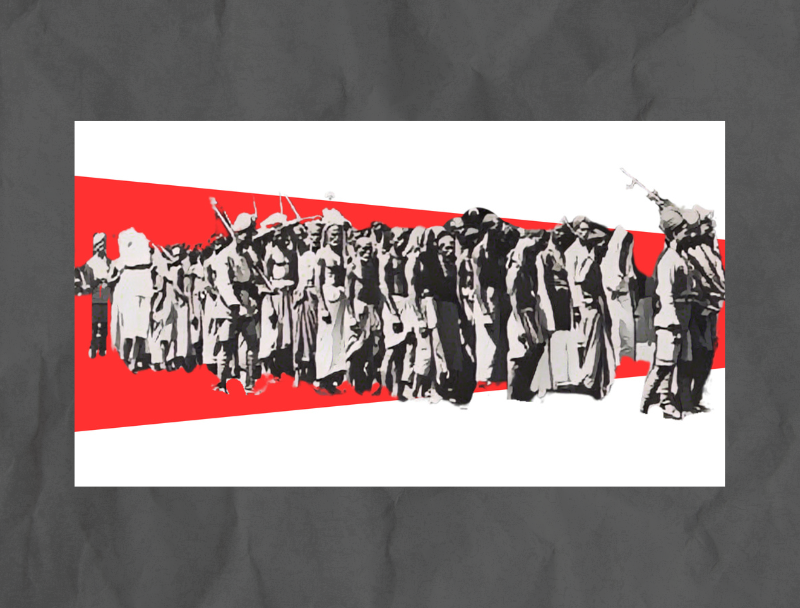
Defiance Confined: Anti-Colonial Struggles in Malabar’s Prisons (1792-1920)
The Malabar region, spanning from 1792 to 1920, embodies a profound saga of resistance against colonial subjugation and the unwavering quest for freedom. Throughout this period, a vibrant tapestry of anti-colonial movements flourished, led by diverse coalitions comprising local rulers and Mappila chiefs, with figures like Kerala Varma Pazhassi Raja emerging as icons of defiance. Rooted in the resentment towards the East India Company’s imposition of policies and the suppression of indigenous traditions, these movements metamorphosed into armed uprisings and guerrilla warfare, posing a formidable challenge to colonial authority (Shumais,2019). In this article, we embark on an exploration of the intertwined narratives of resistance and incarceration, delving into how imprisonment evolved into a battleground for both defiance and retribution during this pivotal era. Through a nuanced analysis of historical records and scholarly interpretations, we unravel the intricate layers of anti-colonialism in Malabar, shedding light on the enduring legacy of those who courageously resisted colonial exploitation and oppression.