
"Explore the rich tapestry of the Malabar region, where centuries of history, culture, and tradition come together.

Get In Touch

img

University of Calicut,
Edapally - Panvel Hwy, Thenhipalam,
Kerala 673635, India

Malabar History journal

  • Home
  • Malabar History journal
Blog Image

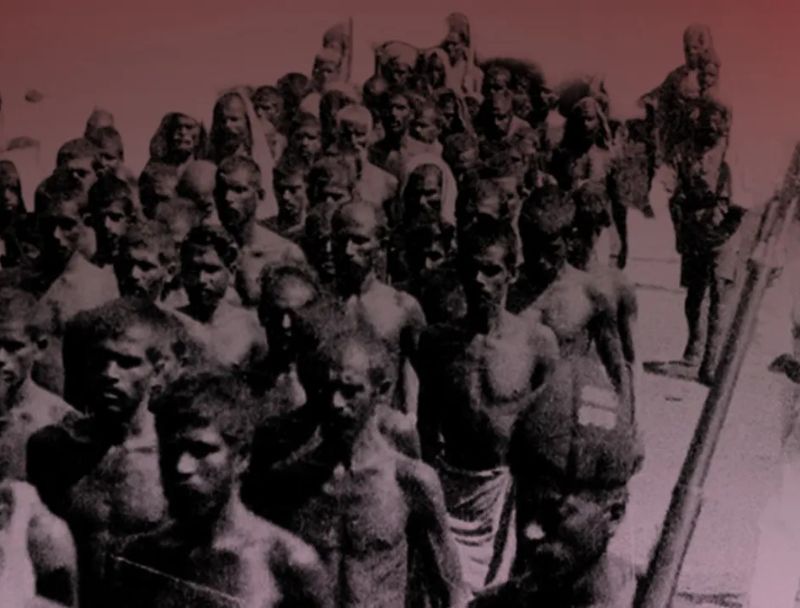
Battle of Pandikkad (Incomplete)

Date: 14th November, 1921

As the war intensified between the British and the rebels in Malabar, the British took to increasing the size of its army contingent in the region. Truckloads of Kachin and Gorkha soldiers were brought into different parts surrounding the rebel territories. One such area was Pandikadu, where a camp was set up. Gorkhas, Sikhs and local fighters were part of this camp that was built on the land belonging to a loyal Malabari, Moosakutty Adhikari. Even though it had British administrative presence, the place technically was under Variamkunnan’s rule.

So, under the leadership of Variamkunnan, Chembrashery Koya and Mukki Ahmed, at least 2000 people reached Pandikadu after 2 days of intense training. On 14th November early morning, a 400 strong army attacked the camp to kill many of the soldiers, who were sleeping and least expecting an attack. Captain Avarel of the Pandikadu camp was murdered, giving a huge blow to the British then. 14th November is of special importance to Muslims, and that was the reason why the attack was planned for that day. Bijuraj also argues that given the defensiveness to which the rebellion had receded, this action was meant to boost morale and confidence back in the rebels.

There are many contestations on how many Gorkhas were present and killed that night. One account suggests that there were 150 gorkhas meanwhile Manji Ayyamooti, a rebel who was amongst the rebel army said that there were 300 gorkhas in the camp. While one account claimed that a total of 75 gorkhas died, a rebel participant has claimed that atleast 120 gorkhas were killed during the attack. However, British records suggest that 234 rebels were murdered when they attacked the camp. While 56 died inside the camp, another 178 mapilas died outside. Predominantly, all of them belonged to the marginalised castes and were tenant farmers. V K Haji and rebels also saw it as a revenge against the rapes and murders that were being undertaken by the gorkhas in the region as per British orders. It is believed that 250 rebels were murdered during this battle, and the bodies were burnt off in the nearby region. There is a shohda masjid to commemorate the rebels who died in the battle.

In the preceding days, during the beginning of the rebellion, Pandikadu police station was also the first police station to have ever been captured during the Malabar rebellion. In context of co-ordinations, Conrad Woods notes that as early as 21st August, it seems that atleast 4000 Moplahs had gathered at the Pandikkad mosque under the leadership of Variamkunnan and Chembrasseri Thangal with the call to seize power.