
"Explore the rich tapestry of the Malabar region, where centuries of history, culture, and tradition come together.

Get In Touch

img

University of Calicut,
Edapally - Panvel Hwy, Thenhipalam,
Kerala 673635, India

Malabar History journal

  • Home
  • Malabar History journal
Blog Image

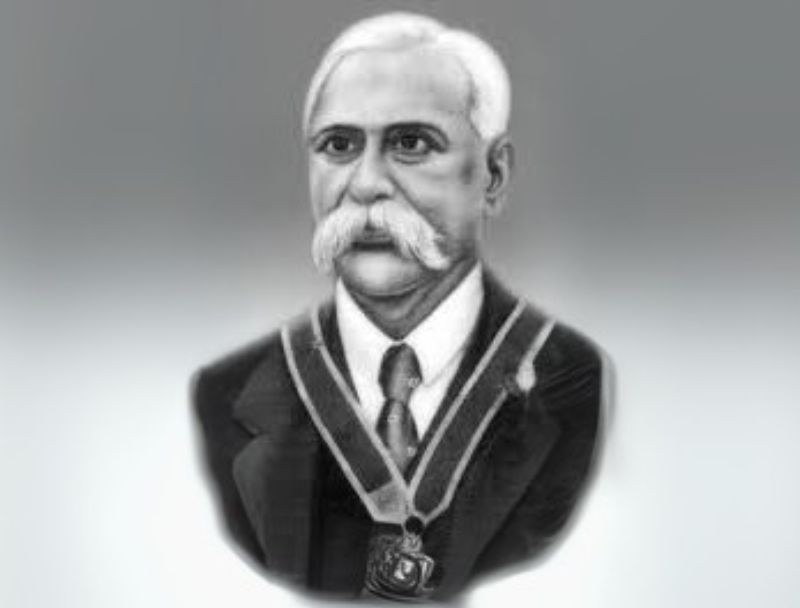
Ayyathan Gopalan

Ayyathan Gopalan [3 March 1861- 2 May 1948] was a social reformer, crusader of Kerala renaissance, a doctor, writer and philanthropist. He was the founder of Sugunavardhini movement (1900) and Depressed Classes Mission (1909). He was also an important associate of the Brahmo Samaj in Kerala.

Biography

Ayyathan Gopalan was born in Thalassery in Madras Presidency as first son to Ayathan Chandhan and Kallatt Chirutha Ammal. He had four other siblings, of which the youngest sister was Janaki Ammal, the first female doctor from the Thiyya community and Kerala. He went to elementary school at Anjarakkandy in Thalassery and later in Brennon School as well as Mission High School. In the year 1884, Ayyathan Gopalan joined the Madras Medical College. It is here that he was first introduced to ideas of the Brahmo Samaj after reading about Raja Ram Mohun Roy’s activities. He joined the Calcutta Brahmo Samaj and actively took part in its activities. He even became an executive member of the General Committee of Calcutta Brahmo Samaj and travelled across the country participating in its activities and meetings. In 1888, he became the first ever doctor from the Thiyya community after getting his medical degree. He served in many hospitals and also as a medical lecturer. In 1894, he married Kallat Kausallyyaammal in the first brahmo samaj wedding to have ever taken place in the Madras Brahma Samaj movement.
Social activities

He was actively against the caste system and rebelled against it at a very young age. In his school days, he is known to have cut off his hair, which signified his caste status. Similarly, he propagated against the superstitious beliefs and practices within his own community. Owing to not practicing the community norms and rituals, it is believed that he was excommunicated from the Thiyya community. He returned to Kerala to be the Indian superintendent to the Calicut Lunatic Asylum in 1897. Given what he was witnessing all around him, he began the first branch of Brahmo Samaj in 1898 in Calicut. The widespread superstitions and caste based atrocities prompted him to do the same, and in 1900 he opened a separate Brahmo mandir in Calicut. His social reform activities included opposing idol worship, promoting misra vivaham (inter caste marriages) and misra bhojanam (inter caste dining). As an extension of these activities, he launched the Sugunavardhini movement in 1900 along with Kausallayyammal with the intention of fostering values amongst children, and their interest in social reform activities. Similarly, he fought for the rights of women and the right of education of girls and other marginalized sections of the society. Through the Depressed Classes Mission which was launched in 1909, he sought to provide free education for the dalits by establishing schools. It was his initiative to begin the Chandhawarkar Elementary School, which was the first in the area. He also ran a dispensary along with the school. However, his strong participation was noted in the anti untouchability movement and anti colonial struggles

He made several literary and intellectual contributions as part of the reform movement.

Brahmodharma, the manifesto or bible of Brahmo Samaj, originally written by Debendranath Tagore in Bengali was translated to Malayalam by Ayyathan Gopalan. His musical dramas such as susheeladukham and sajiniparinayam were famous and performed by troupes. His other contributions were vivaahaganagal (Weddingsongs), gaanamalika, jathi (caste), yeshu daivamayirunnuvo (Was Jesus a God?) etc. Many other reformers such as Vaghbhatananda, Swamisivayogi were part of the Brahmo Samaj activities in Calicut during the 1900s.

Rabindranath Tagore called him the Raja Ram Mohan Roy of Kerala and in honour of his services to the society, it was the British that conferred him with the title of Rao Sahib in 1917. He was popularly known as Darsar or sarsar sahib (from docere in Latin meaning doctor).

Two authoritative biographies on him were authored by his grandson, Ayyathan Alok.

References

  • [1] “Ayyathan Gopalan.” Wikipedia, Wikipedia Foundation. October 16, 2022. https://en.wikipedia.org/wiki/Ayyathan_Gopalan (accessed October 25, 2022).
  • [2] Darsar – An Untold Story. [No additional publication details provided].