
"Explore the rich tapestry of the Malabar region, where centuries of history, culture, and tradition come together.

Get In Touch

img

University of Calicut,
Edapally - Panvel Hwy, Thenhipalam,
Kerala 673635, India

Malabar History journal

  • Home
  • Malabar History journal
Blog Image

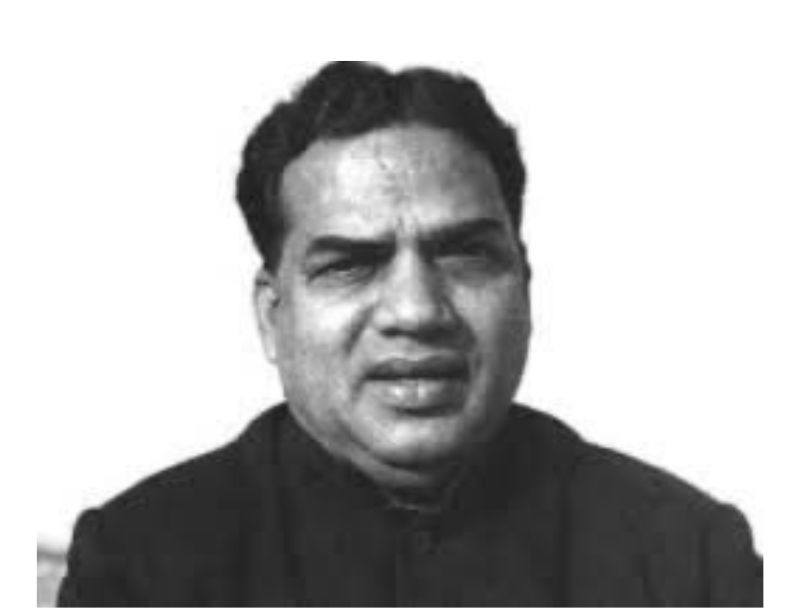
A K Gopalan

Popularly known as AKG, or A K Gopalan, his full name is Ayillyath Kuttiari Gopalan (1904-1977). Famous as one of the founding members of Communist Party of India (Marxist), he was an Indian Communist politician who served as a member of Lok Sabha for 5 consecutive terms from first Lok Sabha (in 1952) till his death in 1977. He made significant contributions to building people’s movements under the leadership of the CPI(M) and mass organisations of toiling people especially of peasantry and agricultural workers. He was the Leader of Opposition in the 1st Lok Sabha in Parliament from 1952 onwards till 1957.

Bibliography

AKG was born on 1 October 1984 in Peralassery, in Kannur district of Northern Kerala as son of Shri. V K Ryru Nambiar and A K Madhavi Amma. Educated at Basel Evangelical Mission Parsi High School, Thalassery and at Government Brennen College, Thalassery, he became a teacher by the time India’s independence movement was becoming energized by Gandhi. He was married once and divorced before marrying Sushila Gopalan, a prominent Marxist and trade union activist on September 10, 1952. He was associated with Indian National Congress during 1927-1934 and with Congress Socialist Party in 1934-1936. Joined Communist Party of India during 1939 and served in various positions, he was among the leaders who worked tirelessly to reorganize the CPI(M) on the basis of Marxism-Leninism at the time of split in the communist party in 1964. He was an active worker in the Trade Union and Kisan movements in Kerala. Imprisoned and detained several times for political activities, he also remained underground for several years. He was a member of parliament from 1956 until his death on 21 March 1977 from Cannanore and Kasaragod. Shaji N Karun, a prominent film director of Kerala made a biopic on AKG titled AKG – Athijeevanathinte Kanal Vazhikal and released in theaters across Kerala in August 2007. He was also an author and his autobiography Ente Jeevitha Kadha was translated into many languages.

Political and social life

Entering the political arena as a humble Congress volunteer in the early twenties, he stood in the leading ranks of the freedom struggle and played an active role in the Khadi Movement and the upliftment of Harijans. He was a member of All India Congress Committee for several years and served as President and Secretary of Kerala District Congress Committee. He led the procession including Dalits through public roads in front of the Kandoth thiyya caste temple (Palliyara) near Payyanur, Kannur to promote Guruvayur Satyagraha, which was attacked by the thiyya leaders then. He was arrested for participating in the salt satyagraha in 1930. In prison, he got acquainted with Communism and became a member of Congress Socialist Party and later the Communist Party of India (CPI) when it finally took shape in Kerala in 1939. He went on a hunger march from Kannur to Madras by foot covering 750 miles in 1936 to raise the consciousness of people against poverty and unemployment under British rule and led the Malabar Jatha in support of the movement for responsible government in Travancore in 1937.

During the outbreak of the Second World War, there was an upsurge in activism against British domination and AKG was again arrested. He escaped from prison and remained at large till the end of the war in 1945. Arrested shortly after the end of the war, he was still behind the bars when India became independent on 15 august 1947 and was released a few weeks later. Thereafter he was one of the 16 members of CPI elected to the first Lok Sabha in 1952. He was a member of the Central Committee of the united communist party in 1951. An active worker in Trade Union and Kisan moments in Kerala, his position as president of All India Kisan Sabha for 5 consecutive conferences from 1956- 1961 was also memorable at national level. He also served as a member of the party’s Central Secretariat in 1958. The peasant march of 1960 which is said to be the first political march from Kasaragod to Thiruvananthapuram after the formation of the state of Kerala held under the aegis of Kerala Kisan Sabha too was led by A K Gopalan. In the issue of Sino-Indian war in 1962, along with other left leaders, he took an impartial view and opinionated that both nations should discuss and settle the problem while, officially, party leadership supported the Indian government and the left group leaders were arrested with the support of the leadership of the party. EMS, the then General Secretary, wrote an article condemning the government against this and its publication was blocked by party leadership. Thereafter EMS resigned his post and supported the left group. It was during this time that S A Dange’s letter to the British government, in which he promised to keep away from participating in the freedom struggle if granted bail, got published in a newspaper. The demand of the left group for a party level inquiry was rejected in the National Council of the CPI and the Left Group walked away and formed a new party. AKG was a co-founder of this party which came to be known as Communist Party of India (Marxist). He played an important role in the formation of Indian Coffee House, a worker cooperative initiative by organising the terminated employees of Coffee houses of the Coffee Board.

References